Earthmoving · excavation · site preparation
Shape the ground before building on it.
Tight-access excavation and practical site preparation for retaining walls, trenches, drainage, level changes and outdoor projects across Albury Wodonga.
Groundwork that supports the result
The first machine movement affects every stage after it.
Good earthworks create practical access, stable working levels and room for the retaining wall, drainage, irrigation or outdoor project that follows.
A1 Retaining considers how machinery reaches the work area, where excavated material will go, what must remain protected and what the finished ground needs to become.
Send access and site photos ↗Earthworks services
Preparation for the work above and below ground.
The exact method depends on access, ground conditions, volume, disposal requirements and the next construction stage.
Tight-access excavation
Smaller machinery and a planned route for restricted residential sites.
Retaining-wall preparation
Excavation for wall lines, footings, posts, working room and drainage zones.
Trenching
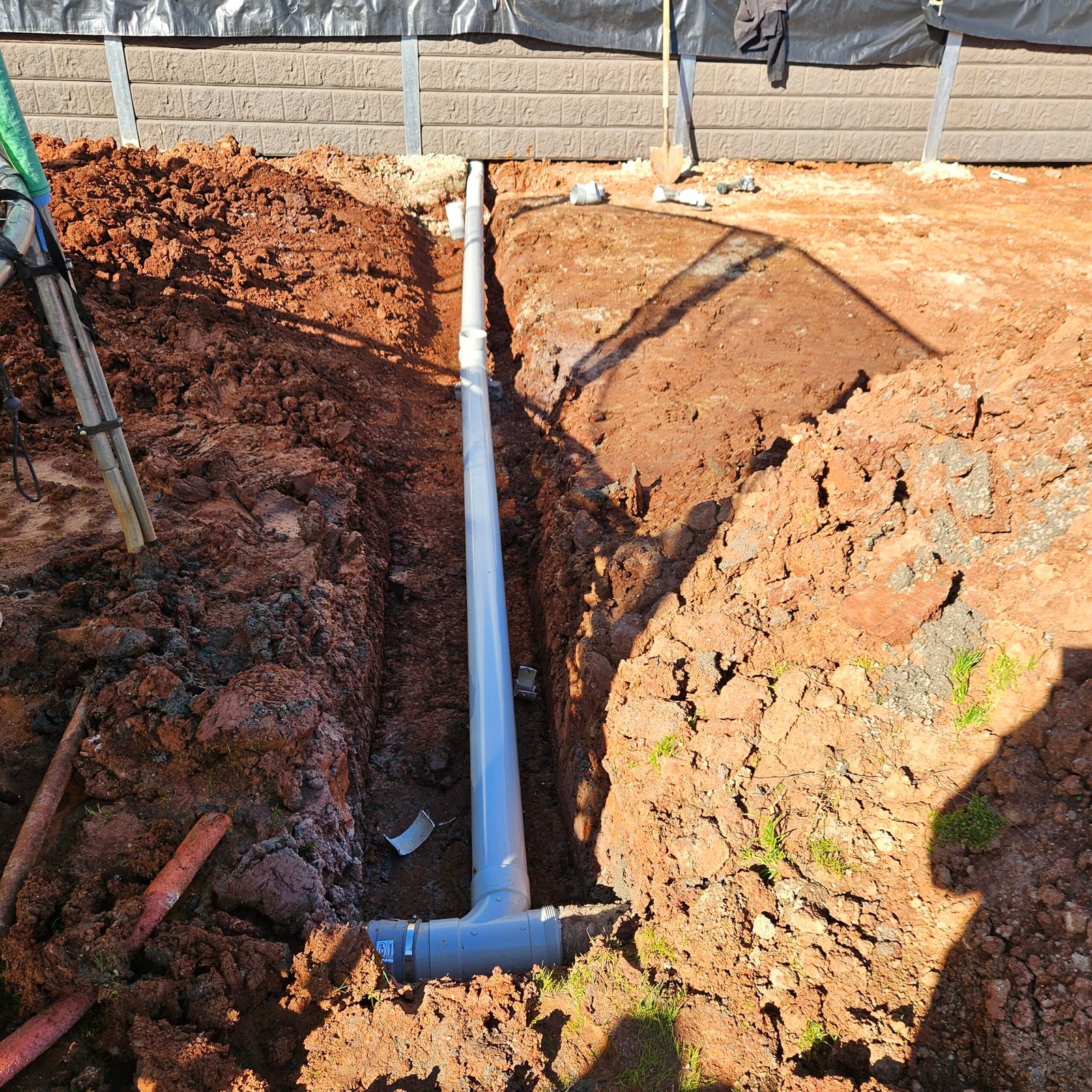
Preparation for selected drainage, irrigation and service routes.
Ground levelling
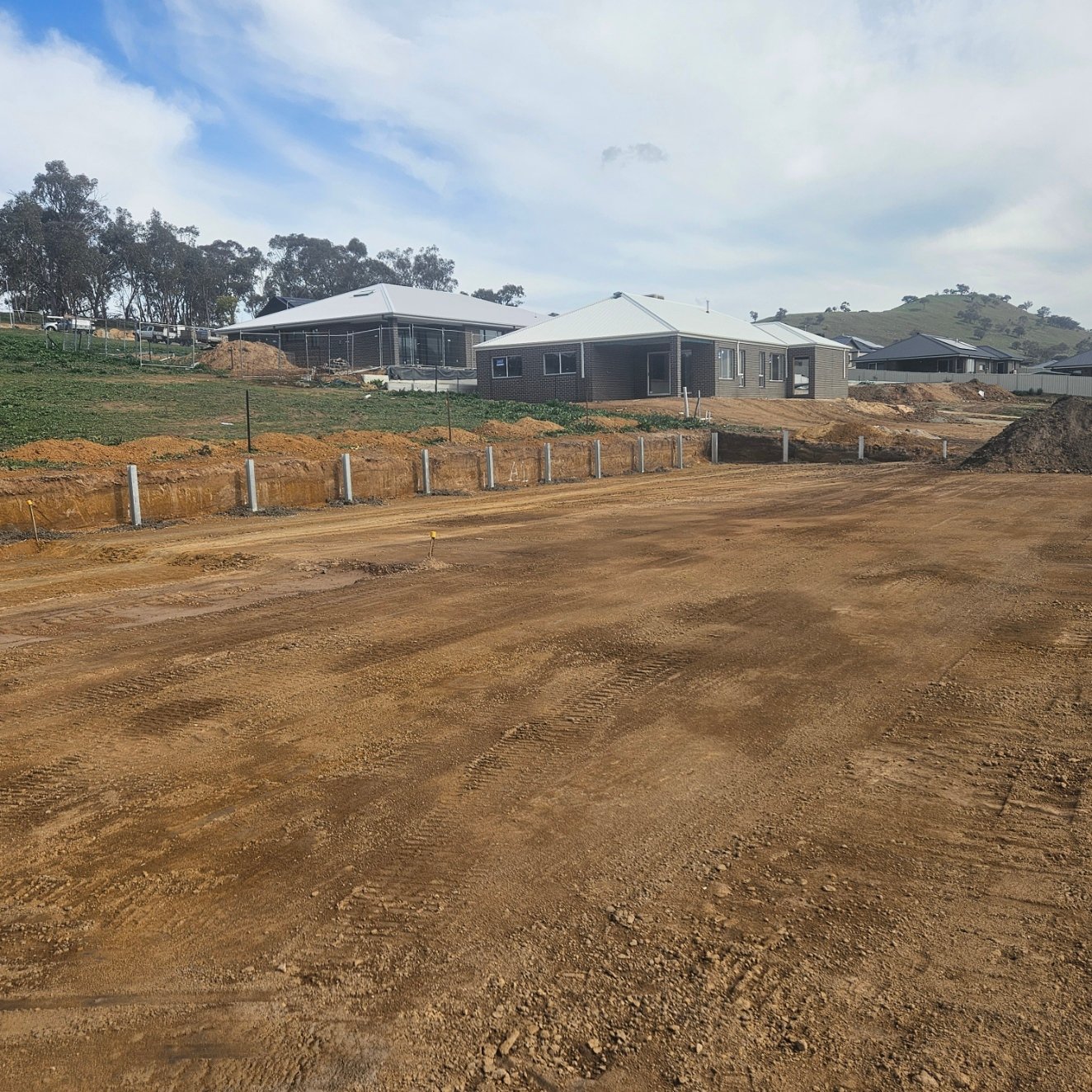
Cutting and reshaping uneven ground for lawn, garden or construction areas.
Spoil handling
Planning for stockpiling, reuse or removal of excavated material.
Final preparation
Ground prepared for retaining walls, turf, irrigation or landscaping stages.
Interactive access check
Could machinery reach your work area?
This quick check does not confirm equipment suitability. It helps identify which measurements and photographs A1 will need.
- 01Measure the narrowest opening
- 02Photograph every turn in the route
- 03Check eaves and overhead obstacles
- 04Show surfaces that need protection
The route is part of the job
Show everything between the street and the excavation.
Measuring only the open work area can give the wrong impression. Equipment must safely pass the narrowest point along the complete route.
Street access
Parking, driveway position, traffic and material delivery area.
Gate or entry
Measure the clear opening after posts, hinges and handles.
Side route
Show taps, air conditioners, garden beds, paving and tight turns.
Work area
Photograph the slope, old wall, soil, structures and finished level required.
 Site preparation
Coordinate the next stage
Excavate once. Plan what follows.
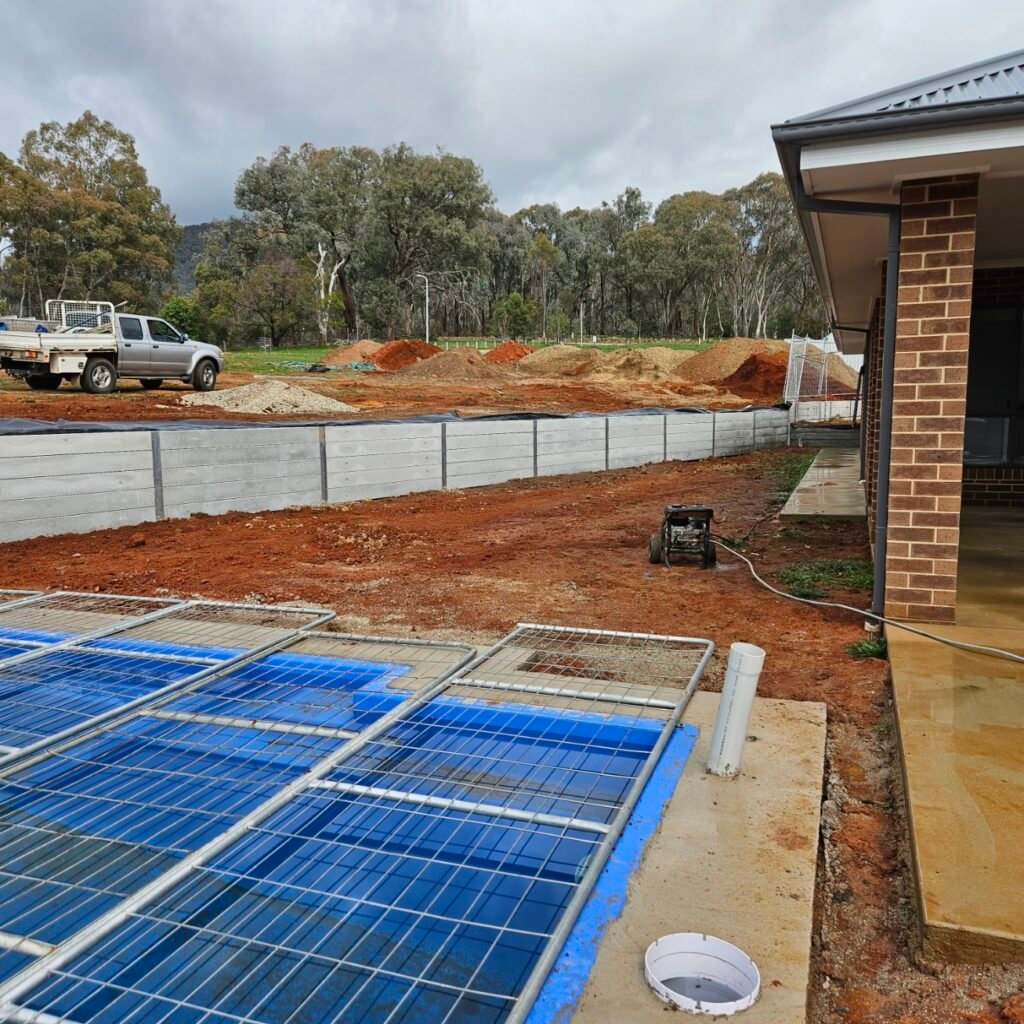
Retaining walls, drainage, irrigation and lawn preparation can often be sequenced around the earthworks rather than treated as unrelated disturbances.
Define the finished outcome
Decide where the wall, drainage, lawn, garden or access area needs to finish.
Prepare below-ground routes
Coordinate suitable trenching, drainage and wall preparation before surfaces are finished.
Complete usable levels
Shape and prepare the area for the next agreed construction or landscaping stage.
Information that improves the quote
Photos and measurements prevent guesswork.
These details help A1 understand access, excavation volume, spoil movement and the surfaces or structures that need protection.
Access measurements
Gate width, narrow side paths, turns and overhead clearance.
Street-to-site photos
Photograph the entire machinery route, not only the work area.
Slope and soil
Show wet areas, rock, existing fill, old concrete and changing levels.
Material handling
Explain whether excavated material can stay on the property or needs removal.
Existing surfaces
Identify paving, driveways, gardens, fences, decks and services.
Required final level
Describe what the area needs to become after excavation is complete.
Real site work
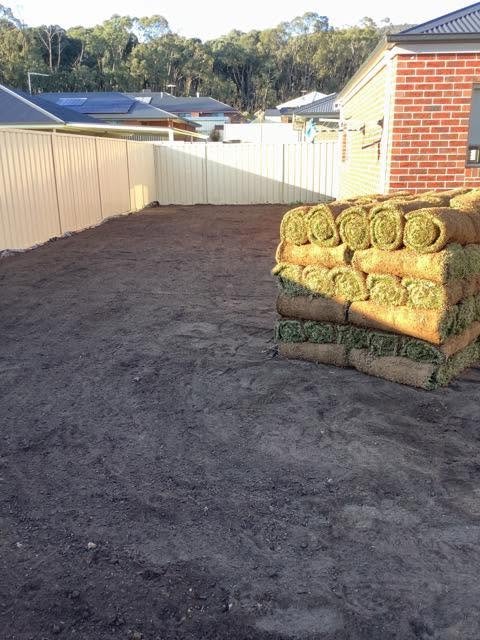
Ground preparation through to the finished area.
Local earthworks service
Excavation across Albury Wodonga and nearby towns.
Send your suburb with access photographs and approximate measurements so site location, travel and practical equipment access can be reviewed.
Earthworks FAQs
Plan access before booking machinery.
Equipment suitability and excavation scope depend on the actual property, route, ground and work required.
What does tight-access excavation mean?+
It means selecting suitable equipment and a work method around restricted gates, side paths, buildings, fences and working room. Suitability depends on exact dimensions and ground conditions.
Can earthworks be included with a retaining wall?+
Yes. Coordinating excavation, footings, drainage and wall construction generally creates a clearer overall scope than arranging unrelated stages.
What photographs should I send?+
Send the entire route from the street to the work area, the narrowest opening, overhead restrictions, slope and several wide views of the proposed excavation.
Can soil and an old wall be removed?+
Removal can be scoped depending on access, quantity, material type and disposal requirements. Include this information in the initial request.
What can change the earthworks price?+
Access, excavation volume, soil, rock, wet ground, buried concrete, hidden services, spoil removal, imported materials and protection requirements can all affect the scope.
Start with access photographs
Have a difficult or narrow site?
Send the complete access route, rough dimensions, your suburb and the finished result you need.